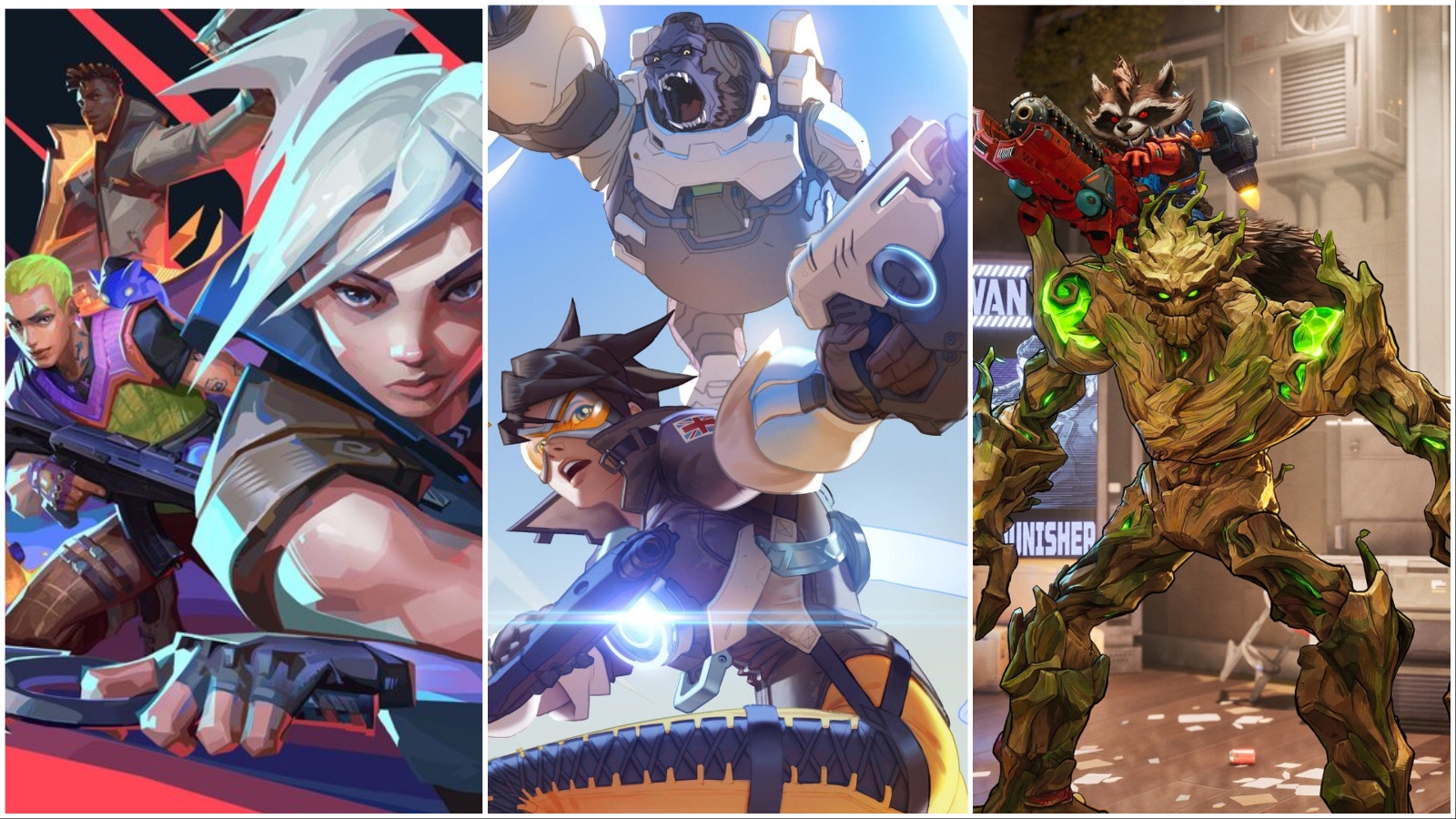

Les jeux de tir de héros font partie des meilleurs genres disponibles pour les joueurs qui apprécient un gameplay coordonné en équipe et un mélange de FPS et de mécanismes basés sur des objectifs.. Ces jeux comportent généralement de gros, des listes de personnages diversifiées avec plusieurs rôles, chacun avec son propre objectif dans un jeu. Cela signifie qu'il y a probablement un personnage pour chaque type de joueur., du grand, des chars percutants aux personnages de soutien/stratège utiles et basés sur la guérison ou aux principaux donneurs de dégâts et combattants agressifs dans la sélection DPS.
Cependant, au fil des années, très peu de jeux de tir de héros ont réussi à rester auprès des fans et à résister à l'épreuve du temps. Notamment, ces jeux sont en grande partie passés au format de service en direct gratuit, les rendant plus accessibles à un public plus large. Au lieu de générer des revenus grâce à la vente de jeux, ces jeux ont tendance à générer des revenus principalement grâce aux skins de héros et aux articles cosmétiques via les systèmes de boutique en jeu.
Les jeux de tir de héros les plus remarquables et les plus populaires du marché sont restés ainsi pendant longtemps. Overwatch et Marvel Rivals sont actuellement les meilleurs choix et la concurrence la plus forte l'un pour l'autre.. Après cela, Valorant est un autre choix populaire, Apex Legends parvenant toujours à maintenir une base de joueurs solide au fil des ans malgré une baisse significative de sa popularité.. Enfin, Impasse, Le jeu de tir de héros en développement de Valve, est peut-être le nouveau concurrent le plus notable à entrer sur la scène et à bâtir une solide communauté de joueurs. Ce que tous ces titres ont en commun, c'est qu'ils suivent le format de service live gratuit..
A part ces jeux, quelques autres jeux de tir de héros ont en fait été publiés au fil du temps. Mais aucun d’entre eux ne semble avoir jamais réussi à percer dans les charts et à réellement rivaliser avec ces autres titres.. Forteresse d'équipe 2 est un exemple notable de la façon dont les titres plus anciens peuvent encore rendre difficile l'entrée de nouveaux titres dans cet espace.. Le jeu lancé en 2007, n'a pas le même calendrier de mise à jour régulière que les titres plus récents, et parvient toujours à maintenir une communauté incroyablement active. Cela suggère qu'une fois qu'un jeu de tir de héros solide construit un public dédié, ces joueurs restent souvent extrêmement fidèles au jeu pendant une période prolongée. Après tout, les tireurs de héros mettent beaucoup de temps à apprendre correctement, c’est donc un engagement auquel de nombreux joueurs s’en tiennent.
Cela présente une situation difficile pour les nouveaux titres qui tentent d'arriver sur le marché., car ce n'est pas le genre de jeux où les joueurs téléchargent simplement, jouer à quelques jeux et ensuite passer à autre chose. Vous en apprendrez davantage sur les cartes individuelles, l'équipe et ses capacités, compteurs de héros et compositions d'équipe et développer des compétences de travail d'équipe avec d'autres joueurs. L'approche du service en direct gratuit n'a fait qu'augmenter cet engagement grâce à des mises à jour de contenu saisonnières avec des passes de combat à durée limitée., événements et progression classée.
Des jeux comme FragPunk et Strinova adoptent la même approche, offrant un accès gratuit, mises à jour en cours, listes de personnages intéressantes, et même des mécanismes de jeu uniques. Toujours, ils ont du mal à attirer le même public que leurs plus grands concurrents, malgré l'engagement des communautés. Ce n’est pas que ces jeux soient considérés comme mauvais; Plutôt, ils sont confrontés à l'énorme défi d'entrer sur un marché saturé. Si un joueur a déjà passé des milliers d'heures à jouer à Marvel Rivals, Surveillance, Valorisation, Apex Legends ou TF2, un nouveau titre doit offrir plus que des produits cosmétiques saisonniers et des passes de combat. Les joueurs ont besoin d’une raison impérieuse pour abandonner leur jeu de tir de héros préféré, Deadlock étant l'un des rares noms à avoir commencé à percer sur ce marché ces dernières années..
L’approche de Valve a peut-être également contribué de manière significative au succès de Deadlock par rapport à d’autres titres.. Le jeu n’est pas arrivé sur le marché au même titre que les titres concurrents (en particulier Overwatch) étaient confrontés à beaucoup de frustration dans leur communauté. La combinaison des mécanismes de MOBA et de tir de héros a également permis au jeu de se sentir complètement nouveau., car il y avait peu ou pas de concurrents à l'époque qui mélangeaient ces genres si efficacement. Deadlock a également décidé de recruter des joueurs dédiés pendant le processus de développement et de les impliquer dans le processus de tests et de feedback.. Ce fut une décision très réussie, permettre au jeu de construire une communauté sur une période plus longue menant à la sortie officielle, plutôt que de compter sur un seul grand, journée de sortie réussie.
Les tireurs de héros payants sont confrontés à un défi encore plus grand – pourquoi les joueurs devraient-ils dépenser de l'argent pour essayer un nouveau jeu de tir de héros alors que de plus gros concurrents peuvent déjà être joués gratuitement? Des titres comme Last Flag et Highguard sont des exemples notoires de jeux qui ont récemment tenté de percer ce marché brutal., malgré des concurrents ayant déjà des expériences similaires. Par exemple, Last Flag est une capture basée sur le drapeau (FCT) tireur de héros, mais les joueurs d'Overwatch n'ont guère ressenti le besoin d'essayer ce titre puisqu'il existe déjà un mode de jeu arcade pour CTF et accessible à tout moment via des jeux personnalisés. Essentiellement, les joueurs sont très réticents à payer pour quelque chose auquel ils ont déjà accès.
Cela soulève une question quelque peu délicate pour le genre des jeux de tir de héros.: L'avenir de ces jeux est-il lié au modèle de service gratuit en direct, ou que les joueurs deviennent simplement accros à une poignée de titres dominants? Le plus grand défi pour les développeurs n'est peut-être plus de créer un jeu de tir de héros fondamentalement bon., mais convaincre les joueurs qu'ils en ont besoin d'un autre en premier lieu.