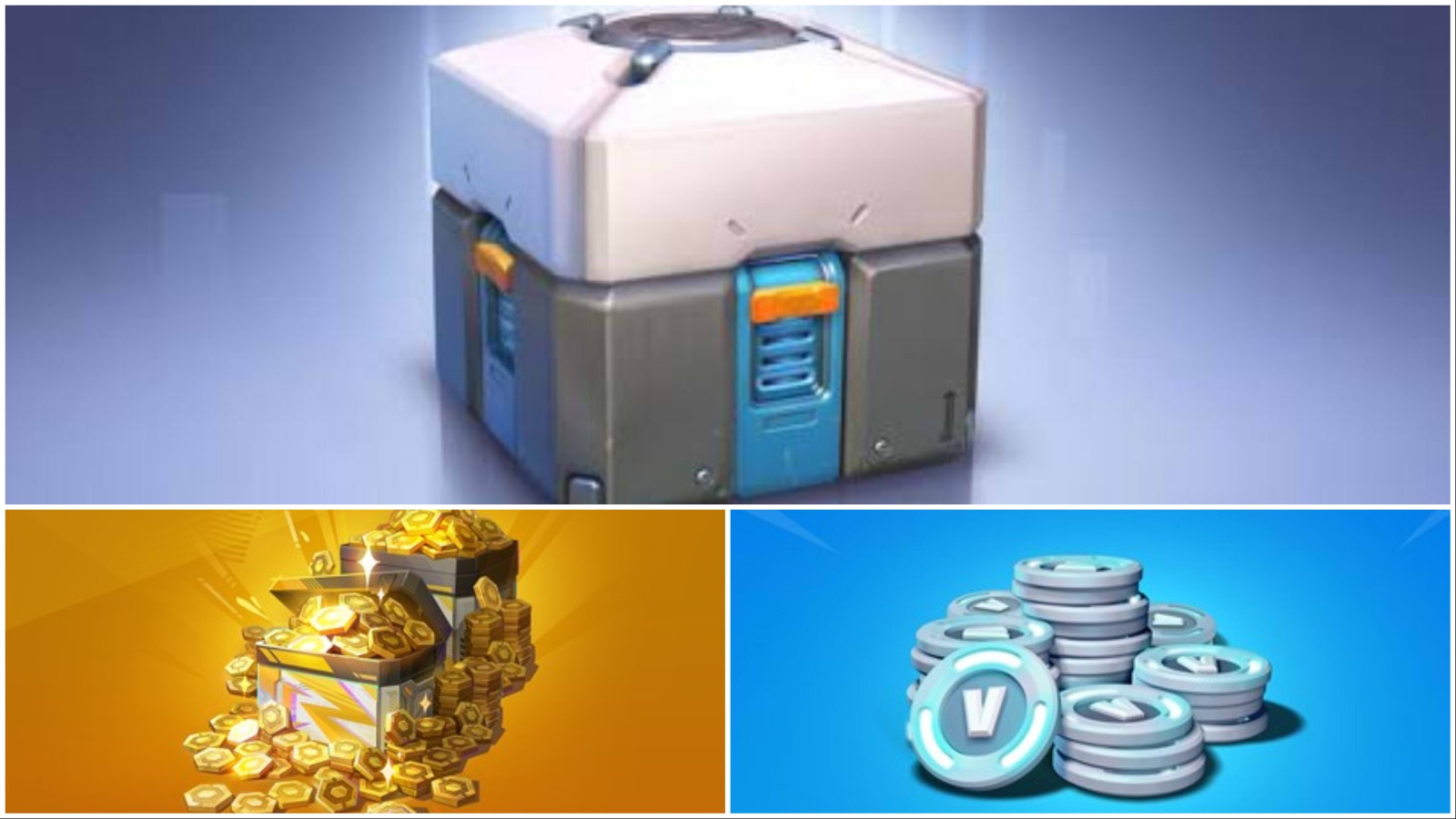
 Free-to-play games offer something special in a space that’s often overcrowded with paid titles. There are no upfront costs, no barriers to entry and they offer everyone the opportunity to get in and enjoy a unique experience. However, in recent years the way these titles are structured and based on microtransactions has evolved quite drastically.
From Fortnite’s rotating cosmetic shop and seasonal battle pass system to Overwatch’s move away from paid loot boxes to a direct in-game store and even newer titles like Marvel Rivals that have included these systems from the start, microtransactions have become almost inextricable from the free-to-play formula.
It’s no longer a question of whether these systems exist (which they clearly do), but rather how they seem to be escalating into more intrusive approaches, to the point where even the youngest players often feel compelled to spend money. Is this structure necessary to keep modern free-to-play titles alive, or has it become an inevitable blight on the gaming experience?
The state of microtransactions in 2026
In most modern F2P games, monetization is no longer a background system. Instead, it is the system around which the entire game is built. Players have access to multiple “free” and “premium” in-game currencies, rotating showcases of cosmetic drops, limited-time packs, and seasonal Battle Passes that continually encourage ongoing spending.
Where there was once a simple cosmetic shop where players could spend their hand-earned tokens earned through regular gameplay, they now encounter systems that combine exclusivity and urgency. This creates quite a vicious circle where hesitation often leads to missing out on something altogether, and it’s no lie that paid cosmetics and items are often far superior to free-earning options in terms of quality and design.
Fortnite, for example, has built much of its identity around character cosmetics and packs, with endless skins tied to collaborations with other popular IPs or limited-time releases often described as temporary.
Overwatch, on the other hand, has received significant criticism in recent years for the high cost of individual cosmetics – especially compared to the original game’s loot box system at launch, which allowed players to earn the majority of their cosmetics through regular play. While free-to-earn loot boxes are back, all new skins and many of the most sought-after options still remain exclusive to the shop, so the incentive to buy is still as strong as ever.
As a result, many players feel increasingly pressured into purchasing decisions, with these in-game systems creating subtle psychological pressure. Missing out on new, fresh and exciting additions and collaborations can really feel like a loss unless the money is spent – and that creates a real problem.
Is this system a necessity for modern gaming?
However, it is also important to acknowledge why this model exists in the first place. Despite being F2P, these games are neither free to develop nor maintain. To keep audiences loyal to these titles over the long term, they rely on frequent content updates such as new game modes, maps or locations, new characters, new in-game story and lore drops, as well as general improvements and refinements.
Without a steady revenue stream, none of these games would be able to maintain this level of content while still being free to play. Instead, developers would either have to charge players upfront fees per season or offer paid expansions or DLC, which would significantly change their accessibility – arguably the strongest aspects of the F2P model.
The real problem is not the existence of microtransactions themselves, but how aggressively they are implemented, especially in games where children and younger players make up a significant portion of the audience.
Considering the long-term effects of these practices
Over time, this reliance on microtransactions has shaped not only how these games are monetized, but also how they are designed from the ground up. Marvel Rivals, for example, enjoyed huge success with its original summer event that introduced swimsuit skins for the roster. Following this success, Rivals brought back new versions of this event not once, but twice, quickly making it one of the most profitable recurring drops.
While these events give players access to free currency that they can use to purchase cosmetics, they are still encouraged to spend money in several pressure-based systems. A large portion of these free credits are actually “time-limited” (that is, they expire after a certain number of days), while other features rely on random “balloon pop” unlocks. These give players a one in six chance of unlocking their desired hero skin through RNG, with each pop costing credits.
If players pop the correct balloon with the skin, all rewards will be unlocked automatically. However, if you pop every other balloon, you will only receive a partial reward in the form of an item from the package, such as a balloon. B. a name tag, an emoji pack or a spray. Each failure also increases the price of popping the next balloon. So if you’re very unlucky, you’ll often have to purchase additional credits with real currencies to ensure you get the final prize. Although it’s a fun, free-to-play event with free credits and accessible rewards for any player to grab, upon closer inspection it’s actually a pretty compulsive system.
At its best, the microtransaction model allows for the continued development of free-to-play titles and a healthy stream of content for players to look forward to. At worst, it turns creative design decisions into a commercial anxiety driven by urgency, scarcity and the fear of missing out. There is no obligation for players to spend anything, but that is part of the problem as cosmetics become part of the retention loop for players who are emotionally invested in the games they play. Naturally, they want to receive at least some of the items that appeal to them. It gives them something to enjoy and show off every time they play and adds a layer of personalization and customization to their account.
Ultimately, the question is no longer whether F2P players need to spend money, but rather whether these modern games are changing player expectations to the point where spending seems unavoidable. With subtle monetization pressures placed on time-limited events, game progression, and rewards, this line is beginning to blur. As a result, many are wondering whether this compromise is sustainable in the long term or whether it will ultimately lead to increasing financial frustration and fatigue throughout the community.